How to Combine Victorian Decor With Modern Minimalism
How to Combine Victorian Decor With Modern Minimalism
Looking to blend the ornate beauty of Victorian decor with the clean, uncluttered appeal of modern minimalism? You’re not alone. This seemingly contrasting style combination is gaining popularity among interior design enthusiasts who want a home that feels both sophisticated and serene. In this guide, we'll explore practical tips on how to combine Victorian decor with modern minimalism—without clashing styles or overwhelming your space.
Whether you live in a restored 19th-century townhouse, a Queen Anne with original woodwork, or a modern apartment where you've inherited a few antique treasures, the same principle applies: let a small number of beautiful, meaningful pieces do the talking, and give them room to breathe. Below, you'll find clear definitions of both styles, the reasons the pairing works, seven step-by-step tips, a room-by-room guide, a quick-reference table, the most common mistakes to avoid, and answers to frequently asked questions.
What Is Victorian Decor?
Victorian decor refers to the interior design style popular during the reign of Queen Victoria (1837–1901). It's characterized by:
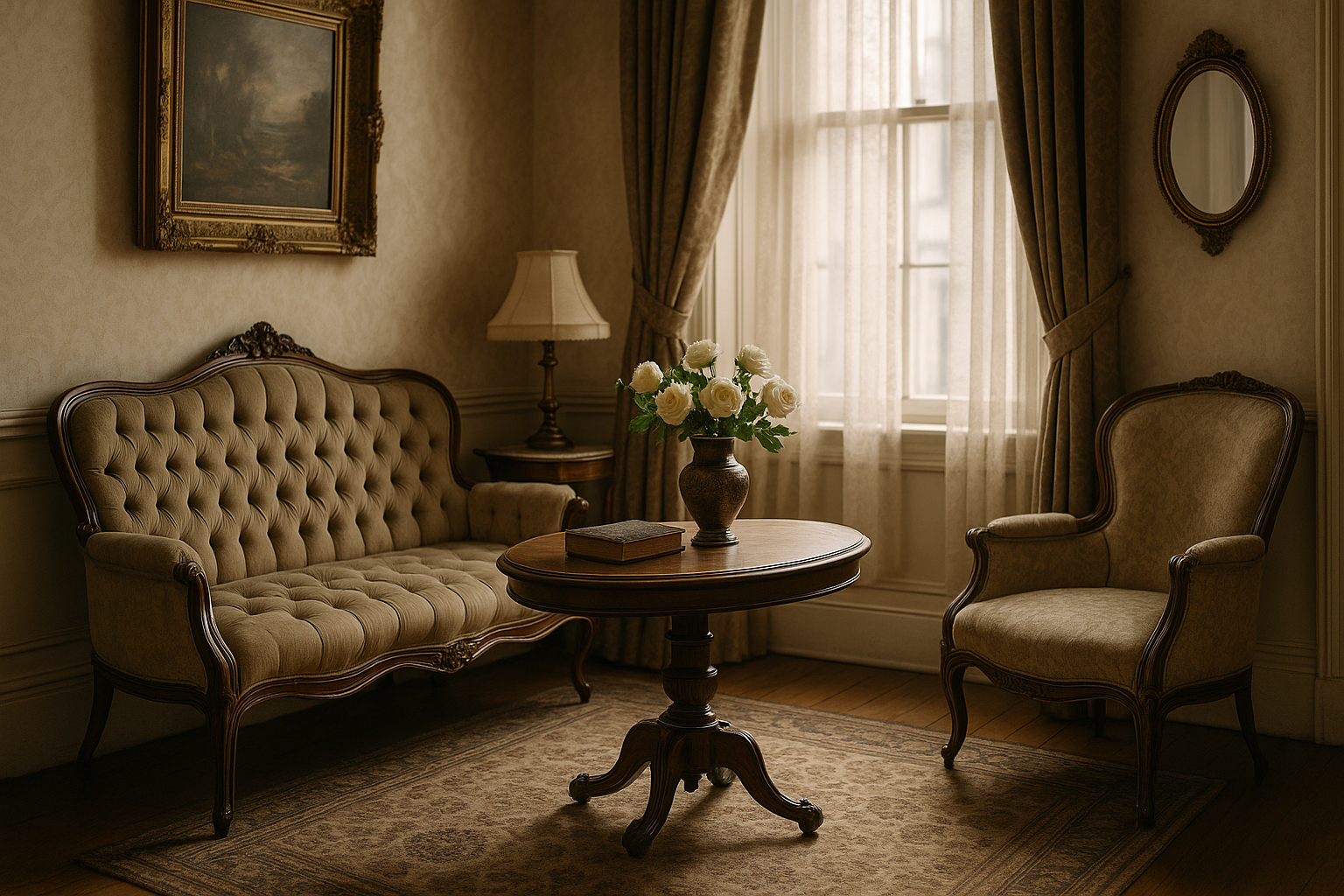
• Ornate furniture: carved walnut, mahogany, and oak pieces with curved legs, tufted upholstery, and decorative detailing.
• Rich color palettes: deep reds, forest greens, burgundy, navy, and gold, often layered throughout a single room.
• Detailed woodwork and moldings: crown molding, picture rails, wainscoting, carved mantels, and substantial baseboards.
• Patterned wallpaper and textiles: florals, damask, stripes, and heavy drapery in velvet, brocade, and lace.
• Decorative accessories: chandeliers, gilded mirrors, framed artworks, clocks, and collections displayed on nearly every surface.
This style exudes luxury, history, and craftsmanship. It also changed considerably over the 64 years of Victoria's reign. Early Victorian interiors leaned toward Gothic Revival and Rococo Revival shapes, mid-century rooms grew darker and more densely furnished, and late-Victorian homes embraced Queen Anne, Eastlake, and Aesthetic Movement influences, which introduced lighter colors and more geometric detail. Knowing which sub-style your home or antiques belong to makes it easier to decide what to showcase and what to simplify. If any of these terms are unfamiliar, our Victorian decor glossary explains them in plain language.
What Is Modern Minimalism?
Modern minimalism emphasizes simplicity, functionality, and clean lines. Key features include:
• Neutral color schemes: whites, creams, greys, and soft earth tones that keep the eye calm.
• Open spaces and light: uncluttered floor areas, uncovered or lightly dressed windows, and generous natural light.
• Minimal furniture and decor: only what is useful or truly loved, with plenty of empty space around each item.
• Natural materials: wood, stone, linen, wool, leather, and metal in honest, unfussy finishes.
• Focus on quality over quantity: fewer objects, chosen carefully and built to last.
Minimalist design creates a calm and clutter-free environment, making it ideal for today’s fast-paced lifestyles. Its roots run through Japanese design traditions, Scandinavian simplicity, and the early twentieth-century modernist idea that form should follow function. Importantly, minimalism isn't about owning nothing. It's about owning what matters and displaying it with intention, and that is exactly why it pairs so naturally with antiques.
Why Combine Victorian and Minimalist Styles?
Although these two styles seem opposite, their contrast can be strikingly beautiful when executed correctly. The richness of Victorian elements can add character to the clean canvas of minimalism, while the simplicity of minimalism can tone down the heaviness of Victorian details.
There are practical reasons to try it, too. A fully Victorian room can feel dark, crowded, and difficult to maintain, while a fully minimalist room can sometimes feel cold or anonymous. Blending them gives you warmth and personality without the clutter, and calm without the sterility. It also allows you to keep inherited furniture, flea-market finds, and original architectural details instead of replacing them, which is better for your budget and for the environment. Antique pieces have already proven they can last more than a century, and a pared-back setting lets their craftsmanship finally be seen.
Finally, the blend suits real life. Most of us don't live in museum rooms. We need comfortable seating, usable surfaces, good lighting, and space to move. Modern minimalism supplies the function, while Victorian decor supplies the soul.
The Shared Ground Between Victorian and Minimalist Design
Before diving into the tips, it helps to see that these styles have more in common than they first appear. Both value craftsmanship: the Victorians celebrated hand-carved joinery and fine materials, while minimalists prize well-made, long-lasting objects. Both are intentional, since nothing in a thoughtfully designed room of either style is accidental. And both treat the home as an expression of personal values rather than a trend to follow.
The real difference is quantity. Victorian style says "more is more," and minimalism says "less is more." Your goal is to keep the quality and intention of the first while borrowing the restraint of the second. Keep that idea in mind as you work through the steps below.
7 Tips to Combine Victorian Decor With Modern Minimalism
1. Start With a Neutral Base
Begin with a neutral color palette, inspired by Victorian color design. Think soft whites, taupes, and greys. This creates a minimalist backdrop that allows your Victorian pieces to stand out without overwhelming the room.
Choose warm neutrals over stark, cool whites, since warmer tones echo the glow of gas-lit Victorian parlors and keep a room from feeling clinical. Greige, oatmeal, soft putty, and pale stone all work beautifully. If you love deeper Victorian colors, bring them in sparingly, perhaps through a single deep green velvet cushion or a burgundy-toned oil painting. A restrained base gives those accents far more impact than a fully saturated room ever could.
2. Focus on Statement Pieces
Instead of filling the room with ornate furnishings, choose one or two standout Victorian pieces—like an antique armchair, a carved wood console, or an intricate mirror. Let them serve as focal points in an otherwise streamlined space.
A good rule of thumb is one hero piece per room, with a second at most. Position it where it will be seen first, such as on the wall opposite the entrance or centered against the longest wall. Leave several feet of empty space around it, because negative space is what turns an antique into a statement. If you have a large collection, rotate it. Display a few items now and store the rest, swapping them out with the seasons.
3. Simplify the Surroundings
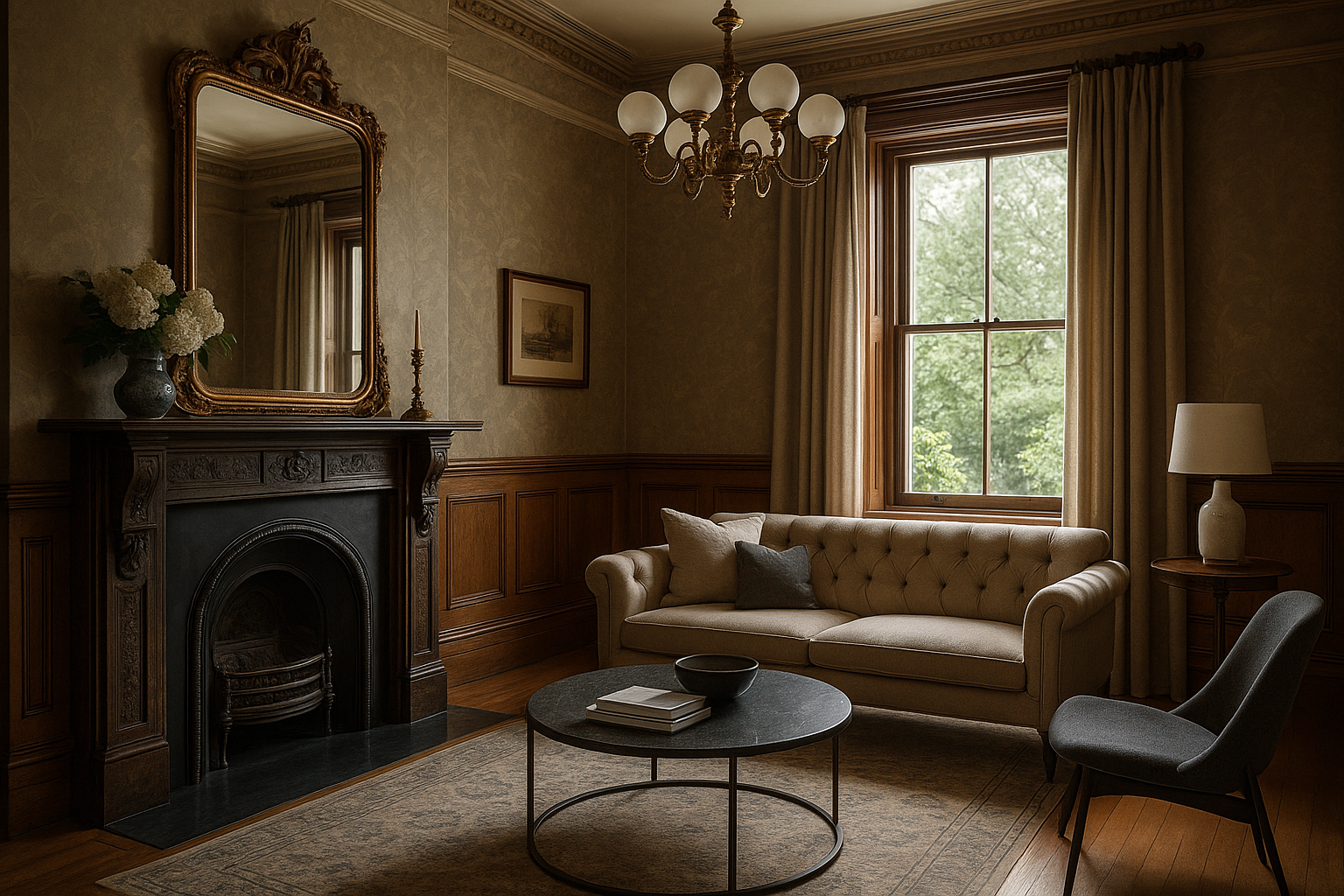
Victorian design can be visually heavy, so it’s important to balance it with open space and minimal surrounding decor. Pair a vintage velvet sofa with a sleek, modern coffee table. Keep surfaces clear and avoid over-accessorizing.
Contrast in form is the secret here. If your Victorian piece is curved, ornate, and dark, pair it with something straight, smooth, and light, such as a slim metal side table, a glass-topped coffee table, or a low-profile media console. Choose a simple area rug in a solid or subtly textured weave. On shelves and tabletops, follow the "rule of three": no more than three objects in a grouping, with visible empty space between groups. For more guidance on harmonizing old and new, see our dos and don'ts of mixing Victorian furniture with contemporary pieces.
4. Mix Textures, Not Patterns
Victorian style often incorporates heavy fabrics like velvet and brocade, while minimalism favors linen, wool, and leather. Mix these textures to add depth without cluttering the visual field, considering the pattern and texture of your Victorian elements. Skip busy patterns and opt for solid colors to maintain a minimalist vibe.
Texture is how a minimalist room stays interesting. Try a tufted velvet chair beside a chunky wool throw, a smooth leather ottoman next to a nubby linen curtain, or a brass lamp resting on a raw wood table. Keep your color range tight so the textures can speak for themselves. If you want to keep one subtle pattern, such as a tone-on-tone damask pillow, make it the only one in the room.
5. Keep the Architecture Clean
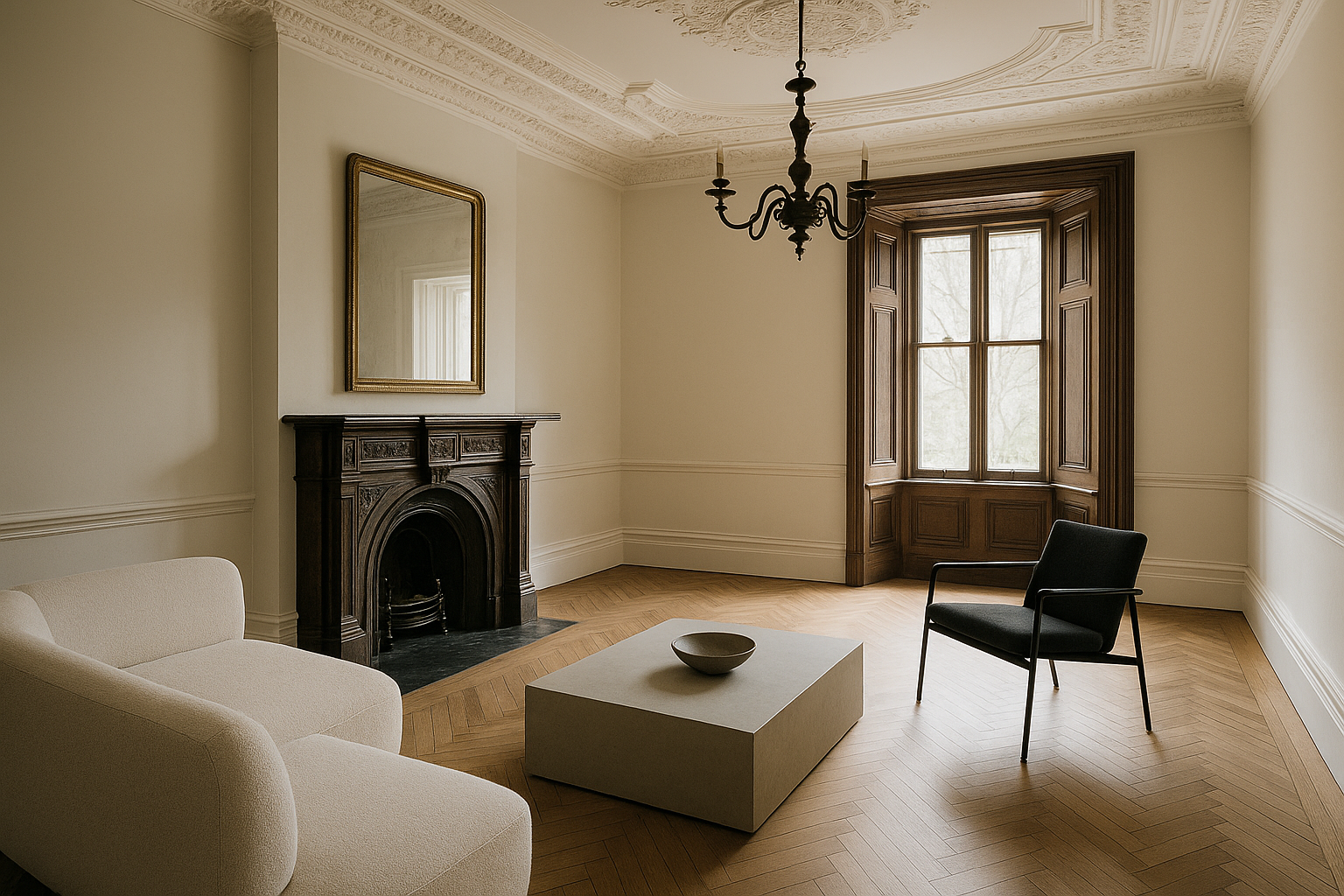
If your home has Victorian architecture—like crown molding, wainscoting, or high ceilings—preserve it. But keep the walls clean and free of ornate wallpaper. Paint traditional elements in matte, neutral tones to blend seamlessly with your minimalist aesthetic.
Original architectural details are irreplaceable, so resist the urge to rip them out in the name of minimalism. Painting woodwork and walls the same soft, matte color is a popular approach because it lets the shapes and shadows of the moldings become the decoration. Restore original floors if possible, keep tall windows lightly dressed with simple linen panels or roman shades, and let fireplaces and mantels remain as quiet focal points. High ceilings are a gift to minimalism, since they provide the airiness the style depends on.
6. Use Modern Lighting With Classic Touches
Replace heavy chandeliers with modern pendant lights that hint at Victorian glam through their shape or finish. Choose lighting that’s sleek and functional but has brass, crystal, or antique-inspired details.
Lighting is one of the easiest ways to bridge the two eras. Look for globe pendants in aged brass, slender-armed fixtures with opal glass shades, or simple sconces that echo early gas lamps. Layer your lighting with a mix of ambient, task, and accent sources, and use warm bulbs (around 2700K) to flatter both antique finishes and neutral walls. Dimmers are a worthwhile addition, allowing a room to shift from bright and functional by day to soft and atmospheric at night.
7. Incorporate Subtle Decorative Accents
Use minimalist accessories with Victorian charm. Think a vintage-inspired clock, a simple candle holder, or a classic framed art piece. Less is more, but what you choose should have character and intent.
Accents are where the Victorian story gets personal. A single piece of original 19th-century art, hung with generous space around it, can do the work of an entire gallery wall. Other good choices include a small collection of antique brass candlesticks, a bell jar with one natural specimen, a pair of vintage books stacked on a console, or a porcelain vase holding a few branches. Before adding any object, ask yourself whether it earns its place. If it doesn't add beauty, meaning, or function, leave it out.
Room-by-Room Ideas for a Victorian Minimalist Home
Living Room
Anchor the room with a single Victorian showpiece, such as a velvet settee or carved cabinet, and surround it with modern, low-profile seating in neutral fabrics. Keep the coffee table simple, hang one large artwork instead of many small ones, and let the fireplace mantel hold just two or three carefully chosen objects.
Dining Room
An antique dining table paired with simple modern chairs is a classic combination, as is the reverse: a sleek contemporary table with a few Victorian side chairs. Choose one dramatic mirror or sideboard, and keep the tabletop clear apart from a single bowl or vase.
Bedroom
Keep the bed simple, with crisp white or oatmeal linens, and bring in Victorian character through a carved headboard, a dressing table, or a vintage mirror. Use matching bedside lamps with a slight antique feel, and keep the rest of the surfaces clear for a restful atmosphere.
Entryway
Entryways set the tone for the home. A single antique console, a framed original painting, and a simple modern bench or hooks are all you need. Add a brass tray for keys, and you have a welcoming first impression that signals both history and order.
Small Spaces
Apartments and city homes are ideal for this style because minimalism is already a necessity. Choose one scaled-down Victorian piece, like a petite armchair or an ornate mirror, and let it elevate an otherwise compact room. For more strategies, read our guide to small-space Victorian decor.
Quick Reference: Victorian Elements and Their Minimalist Twists
Use this table as a cheat sheet when you're deciding what to keep, what to simplify, and what to replace.
Element | Traditional Victorian | Victorian Minimalist Twist |
Walls | Dark, patterned wallpaper | Matte warm neutral paint; keep moldings |
Furniture | Many heavy, ornate pieces | One or two statement antiques with modern companions |
Lighting | Large, elaborate chandeliers | Sleek pendants with brass or crystal details |
Textiles | Layered velvet, brocade, lace | Solid-color velvet, linen, wool in a tight palette |
Accessories | Crowded shelves and collections | A few curated objects with open space around them |
Art | Salon-style gallery walls | One large original piece with generous space |
Windows | Heavy layered drapery | Simple linen panels or shades |
How to Edit Your Victorian Collection Without Losing Its Soul
If you already own plenty of Victorian pieces, the challenge isn't finding items but choosing which ones to keep on display. Start by taking everything out of one room and returning only what you truly love or use daily. Group the remaining items by category, then select the best example from each: your most beautiful mirror, your most comfortable chair, your finest piece of art. Pieces that are damaged beyond repair, duplicated, or simply not meaningful can be sold, donated, or stored.
Stored items don't have to be forgotten. Wrap them carefully, label the boxes, and rotate them back in when you want a change. This approach keeps your home fresh, protects your antiques from daily wear, and prevents the build-up that drifts a minimalist room back toward clutter.
A Simple Weekend Plan to Get Started
You don't need a full renovation to see results. Try this approach over a single weekend. On Saturday morning, clear one room of everything except furniture and your single favorite Victorian piece. Repaint or clean the walls in a warm neutral if needed, and swap out any heavy window coverings for something lighter. On Saturday afternoon, reintroduce only the accessories you love, limiting each surface to three objects at most. On Sunday, update the lighting with a modern fixture or lamp that has a classic finish, and add one or two textured textiles, like a wool throw or velvet cushion.
Live with the room for a week before adding or changing anything else. Often, you'll find the space already feels balanced, and the real work is simply resisting the urge to add more.
Common Mistakes to Avoid
• Using too many Victorian pieces at once. Even a few extra antiques can tip the balance back toward clutter. When in doubt, remove one item.
• Choosing cold, stark white walls. Overly bright white can make antiques look out of place. Warm neutrals feel more harmonious.
• Mixing multiple patterns. One subtle pattern is plenty. Several competing prints will undermine the minimalist effect.
• Painting over or removing original details. Preserve architecture whenever possible and simplify it with color instead.
• Ignoring scale. Oversized Victorian furniture in a tiny room can overwhelm it. Pick pieces that match the proportions of your space.
• Neglecting comfort. Minimalism shouldn't feel austere. Include soft textiles, good lighting, and comfortable seating.
Where to Find Authentic Victorian Pieces
Building this look doesn't require a large budget. Estate sales, antique shops, auctions, and architectural salvage yards are all good places to look for authentic Victorian furniture, lighting, and hardware. Inspect joinery and finishes carefully, and choose pieces with clean silhouettes and good condition rather than excessive ornament, since these work best in a pared-back room.
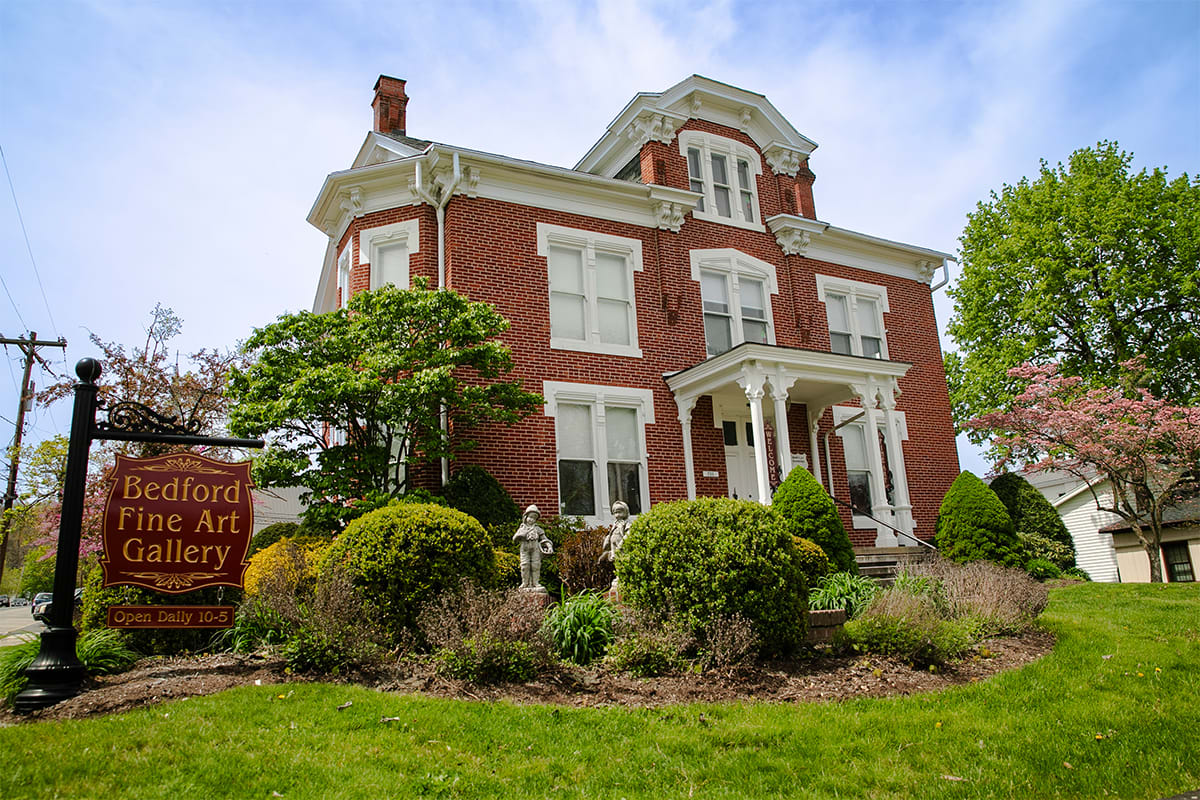
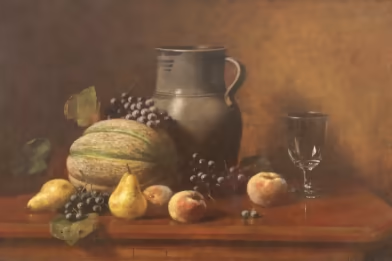
Original fine art is one of the most effective statement pieces for this style. A single 19th-century painting can bring color, warmth, and history into a neutral room without adding any bulk. If you're looking for authentic art to anchor your space, browse the collection at Bedford Fine Art Gallery, where you'll find original Victorian-era paintings to complement your decor. For additional inspiration, explore our home decor ideas for historic and Victorian homes.
Frequently Asked Questions
Can Victorian and minimalist styles really work together?
Yes. The key is restraint. Keep the quality and character of Victorian pieces, but use them sparingly and surround them with open space, neutral colors, and simple modern forms.
What colors work best when blending Victorian and minimalist decor?
Warm neutrals like soft white, taupe, greige, and light grey make the best foundation. Add deeper Victorian tones, such as emerald, burgundy, or navy, in small doses through accessories or one accent piece.
Should I remove ornate molding and woodwork to make my home more minimalist?
No. Original moldings, wainscoting, and fireplaces are valuable features. Paint them in a matte neutral to simplify their look while preserving their detail.
How many Victorian pieces should a room have?
One or two statement pieces per room is a good guideline. The goal is for each piece to stand out rather than compete with others.
Is this style suitable for a small apartment?
Absolutely. Small spaces benefit from minimalist principles, and one well-chosen antique can add depth and personality without crowding the room.
Final Thoughts
Combining Victorian decor with modern minimalism is all about balance, especially when considering small-space Victorian decor. Focus on preserving the elegance and detail of the past while embracing the clean, functional mindset of the present. The result is a timeless, curated space that reflects both history and modern sophistication, drawing from various home decor ideas.
Remember that this is a process, not a one-time decision. Start with a neutral foundation, introduce one standout piece, and live with the room for a few weeks. Notice what feels right and what feels like too much, then edit accordingly. The best Victorian minimalist homes evolve slowly, shaped by pieces that are chosen with care.
Ready to transform your space? Start small, be intentional, and trust your eye. A home that marries Victorian charm with minimalist calm is not only possible—it’s unforgettable.