Decorating a historic or Victorian-style home is both a privilege and a challenge. These timeless houses boast unique architectural details, rich character, and historical charm, but finding the right home decor ideas to complement their beauty without overshadowing it takes thoughtful planning. The goal is not to turn your house into a museum. It is to make a place where the past and the present sit comfortably together.
Whether you’re restoring a Queen Anne, a Gothic Revival, or an Italianate home, this guide offers elegant, period-appropriate Victorian home decor ideas designed to elevate your space while preserving its historical integrity. We’ll walk through color, furniture, textiles, lighting, and room-by-room advice, and then finish with the layer that ties everything together: original Victorian art.
Why Home Decor Matters in Historic Homes
When it comes to historic home decor, it’s not just about style. It’s about storytelling. Each molding, fireplace, stained glass window, and original hardwood floor tells a piece of your home’s story. Modern decor that clashes with the original character can interrupt that narrative, while thoughtful decor enhances it.
Think of your house as the author and yourself as the editor. Your job is to decide what to keep, what to highlight, and what to quietly add so that the story stays readable for the next owner, and the one after that. A Victorian parlor furnished with care feels intentional and welcoming. The same room filled with pieces chosen only because they were on sale feels like it has lost the thread.
It also helps to remember how the Victorians themselves decorated. They were not minimalists. They collected, layered, and displayed, and they wanted their homes to show curiosity, education, and taste. Decorating in that spirit, rather than copying a single moment frozen in time, is one of the most reliable ways to make a historic home feel alive.
Victorian Home Decor: Tips for Preserving Elegance
Victorian homes, in particular, offer a playground for anyone who loves rich textures, ornate details, and antique charm. The Victorian era is usually dated from 1837 to 1901, and the styles that grew up within it were varied: Gothic Revival, Italianate, Second Empire, Queen Anne, Eastlake, and more. Here are the principles that apply across nearly all of them.
1. Use Period-Inspired Color Palettes
Traditional Victorian interiors often featured deep, moody tones like burgundy, forest green, navy, and gold, which are discussed in detail in our guide on historic paint colors for Victorian homes. These rich colors complement wood accents and the intricate trim work commonly found in Victorian architecture.
The Victorians were also fond of using several colors in a single room. Walls, ceilings, woodwork, and even the frieze near the ceiling could each receive a different, carefully related shade. If a full multi-color scheme feels like too much, try one saturated wall color paired with a slightly lighter or darker tone on the trim. That small step adds depth without overwhelming the room.
Modern twist: If you want to lighten things up, consider muted, dusty tones like sage green, mauve, and warm cream. These shades still echo the Victorian vibe but feel fresh and livable, especially in rooms that don’t get much natural light.
2. Incorporate Antique and Reproduction Furniture
Victorian homes look their best when decorated with authentic or reproduction antique furniture. Look for:
• Clawfoot tables and sofas
• Tufted upholstery in velvet or damask
• Ornately carved wood armoires and headboards
• Marble-topped dressers and side tables
• Etageres and curio cabinets for displaying collections
You do not need to buy everything at once, and you do not need every piece to match. The Victorians rarely bought a whole room of furniture in one sitting. Their rooms grew over time, and a mix of woods, finishes, and eras can look more authentic than a perfectly coordinated set. A good strategy is to anchor each room with one substantial statement piece, such as a carved sideboard in the dining room or a settee in the parlor, and build around it.
When shopping, check scale. Victorian rooms often have tall ceilings and generous proportions, and furniture built for them can look lost if it is too small. Oversized pieces suit these rooms far better than the low, compact furniture common in modern showrooms.
3. Layer Textiles for Warmth and Depth
Layering is key in Victorian design. Think:
• Heavy drapes with tassels or fringe
• Persian or Oriental rugs over hardwood floors
• Embroidered throw pillows and lace accents
• Table runners and piano shawls with fringe
These layers add depth and texture, creating a cozy yet opulent atmosphere. They also solve a practical problem. Historic houses can be drafty, and a thick curtain, a lined portiere across a doorway, or a wool rug underfoot makes a room physically warmer as well as visually richer.
If you are worried about sun damage to antique textiles, use a lining or a sheer curtain beneath the heavier drapery. It protects fabric and furniture finishes and still gives you that layered look.
4. Don’t Forget Walls and Ceilings
The walls and ceilings were a major part of Victorian decoration, and they are often the most overlooked part of a modern restoration. Wallpaper with botanical, geometric, or damask patterns was widely used, and many reproduction companies now offer patterns inspired by the era. Consider a patterned paper on the walls with a coordinating border, or use a pattern only on the ceiling for a quiet surprise.
If your home still has decorative plaster medallions, cornices, or pressed-tin ceilings, treat them as the star of the room. A medallion painted in two or three carefully chosen tones can make a chandelier look like it belongs there. For more on honoring original surfaces, see our guide to restoring Victorian houses.
Historic Home Decor Ideas: Blending the Old with the New
If you live in a historic home but want to modernize your decor without sacrificing its soul, try these tasteful ideas, which build on our guide to blending modern comfort with historic preservation.
1. Highlight Original Architecture
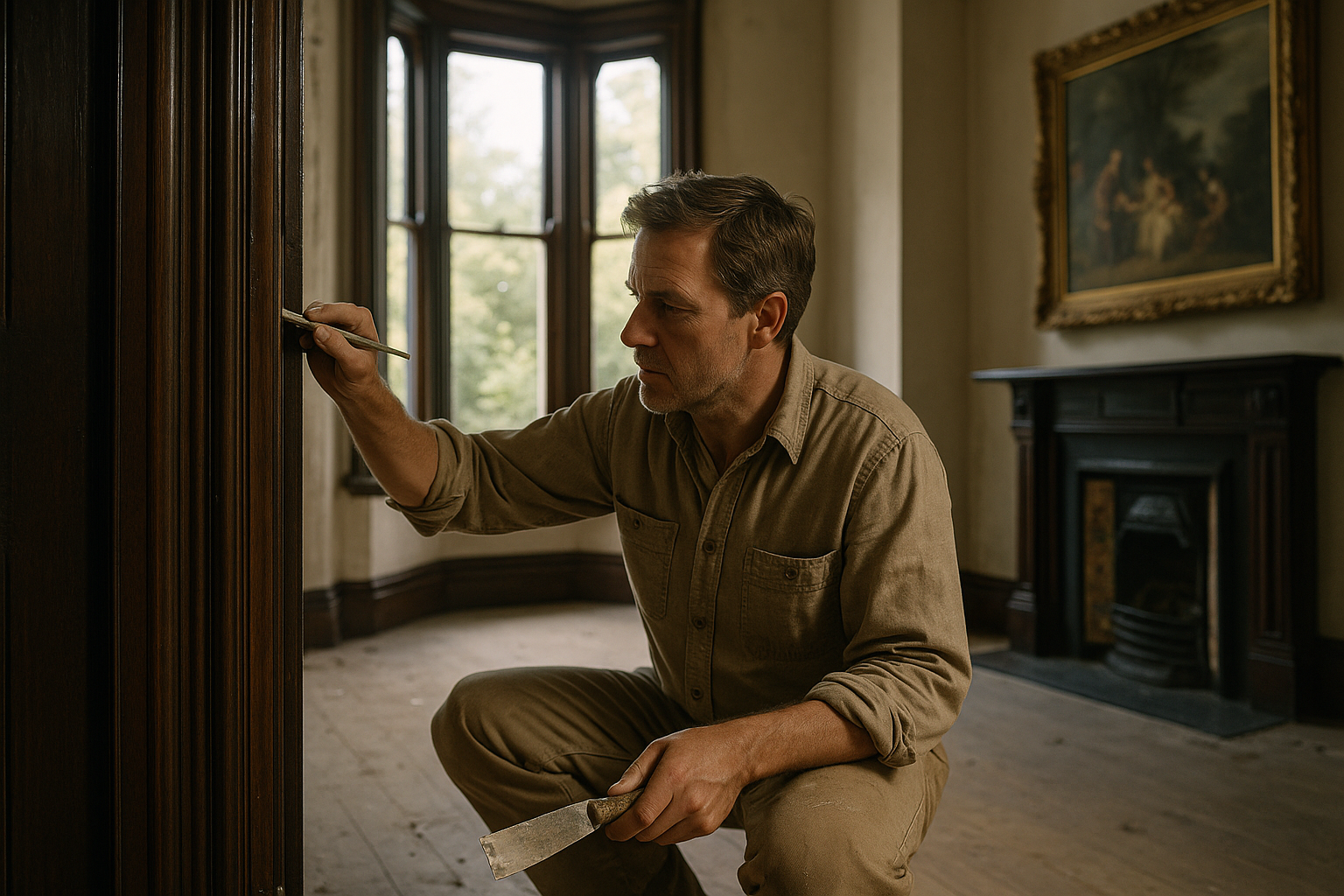
Don’t hide original elements. Celebrate them. Leave exposed beams, preserve original plasterwork, and restore any remaining built-ins. If you have a fireplace mantel with carved details, leave it uncluttered enough that the carving can be seen. If you have pocket doors, make sure they still slide, and resist the urge to remove them for a more open plan.
Original windows deserve special attention. Wavy antique glass, stained-glass transoms, and divided panes are part of what makes a historic house look the way it does. Repairing and weatherstripping them, then adding interior storm windows, usually preserves more character than replacement does.
2. Modern Lighting with Classic Touches
Swap out harsh overhead lighting for vintage-inspired fixtures. Crystal chandeliers, brass sconces, and Edison-style bulbs work beautifully in historic spaces. Many Victorian homes were first lit by gas and later converted to electricity, so a mix of fixture styles is historically believable.
The real secret is layering light the way you layer textiles. Combine a central fixture with table lamps, picture lights, and wall sconces, and put them on dimmers. Warm-temperature bulbs, usually labeled around 2700K, give wood, brass, and fabric the golden glow they were designed to be seen in. Cool white bulbs can make even the best antique furniture look flat.
3. Create Contrast with Art and Accents
Pair antique architecture with carefully chosen art for an elegant effect. Art is one of the few elements that can instantly change the mood of a room without altering a single wall. We’ll look at this in more depth in a moment, because the right artwork is often the difference between a house that is merely decorated and one that feels finished.
4. Keep Modern Conveniences Discreet
Nobody expects you to give up a dishwasher, a television, or a good Wi-Fi signal. The trick is to place them thoughtfully. Hide a television inside a period-style cabinet. Run cables behind baseboards rather than across plaster. Choose thermostats, outlet covers, and switch plates in finishes that blend in, and consider reproduction brass or porcelain switch plates in the main rooms. Small choices like these keep modern life from interrupting the historic atmosphere.
Room-by-Room Victorian Decorating Ideas
Sometimes it is easiest to think about a historic house one room at a time. Here are a few starting points.
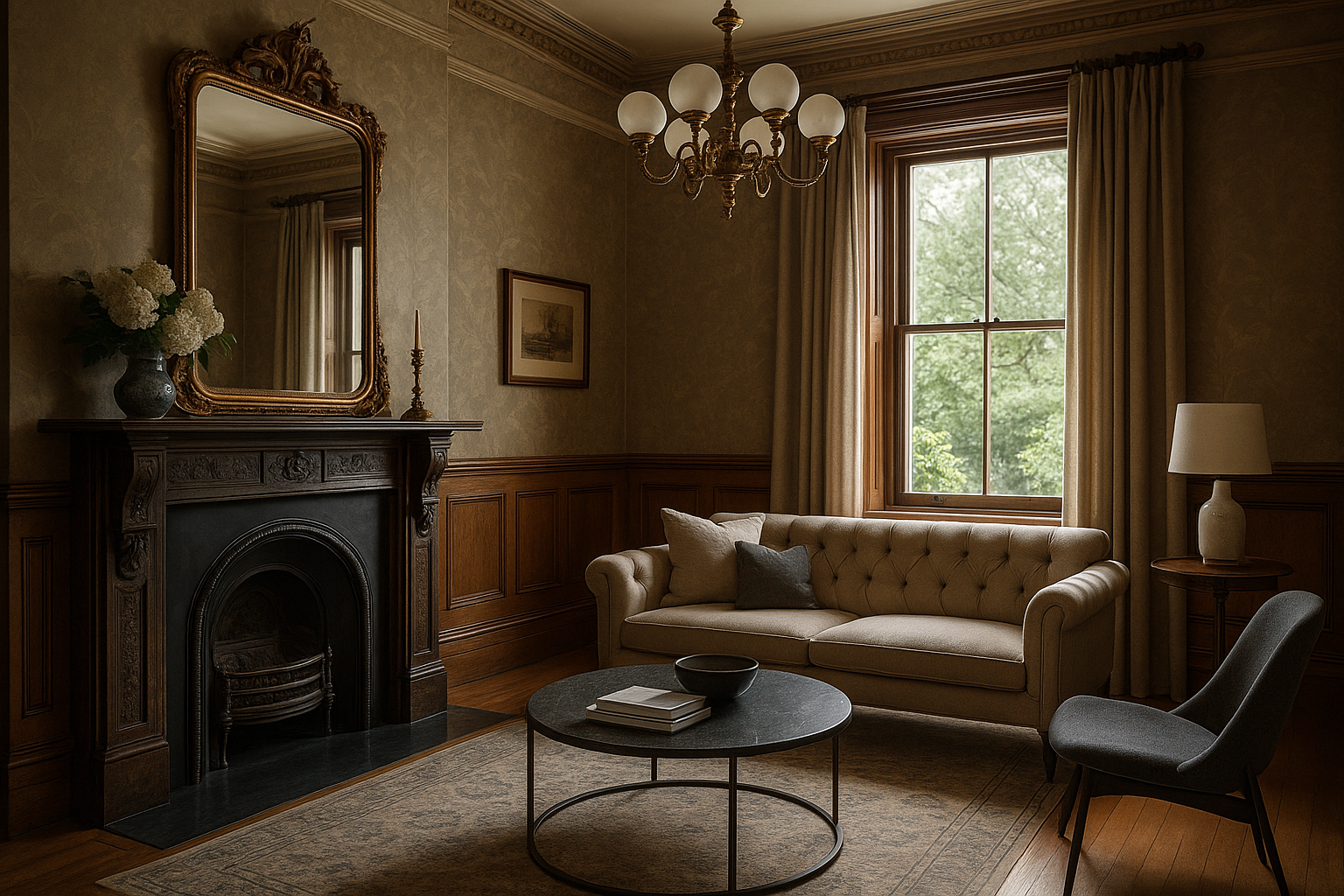
The parlor. This was the Victorian showpiece, the room for receiving guests. Use a settee or tufted sofa as the focal point, add a pair of armchairs for conversation, and finish with a patterned rug, a fringed lamp, and a few carefully chosen paintings. This is the room to be bold with color.
The dining room. Dark walls, a substantial table, and a sideboard for serving give this room its traditional character. A chandelier hung low over the table makes dinner feel like an occasion. Display china, silver, or glassware on the sideboard or in a built-in cabinet.
The entry hall and staircase. The hall was the first impression. A hall tree or console table, a runner on the stairs, and a gallery of framed pictures climbing the wall create a welcoming introduction to the house.
The bedroom. Choose a carved or iron bed, layered bedding with a quilt or coverlet, and soft lamplight. A small writing desk or chair in the corner adds Victorian charm without crowding the room.
The kitchen and bath. These are the rooms where modern function matters most. Look for cabinetry with period-style details, farmhouse or apron-front sinks, subway tile, and fixtures with a vintage profile. They allow you to have modern performance in a room that still feels like it belongs to the house.
The Finishing Layer: Why Art Belongs in a Victorian Home
Once the paint is dry, the rugs are down, and the furniture is in place, many homeowners notice that something is still missing. The rooms are handsome, but they do not yet feel personal. That final layer, the one that gives a room its voice, is almost always art.
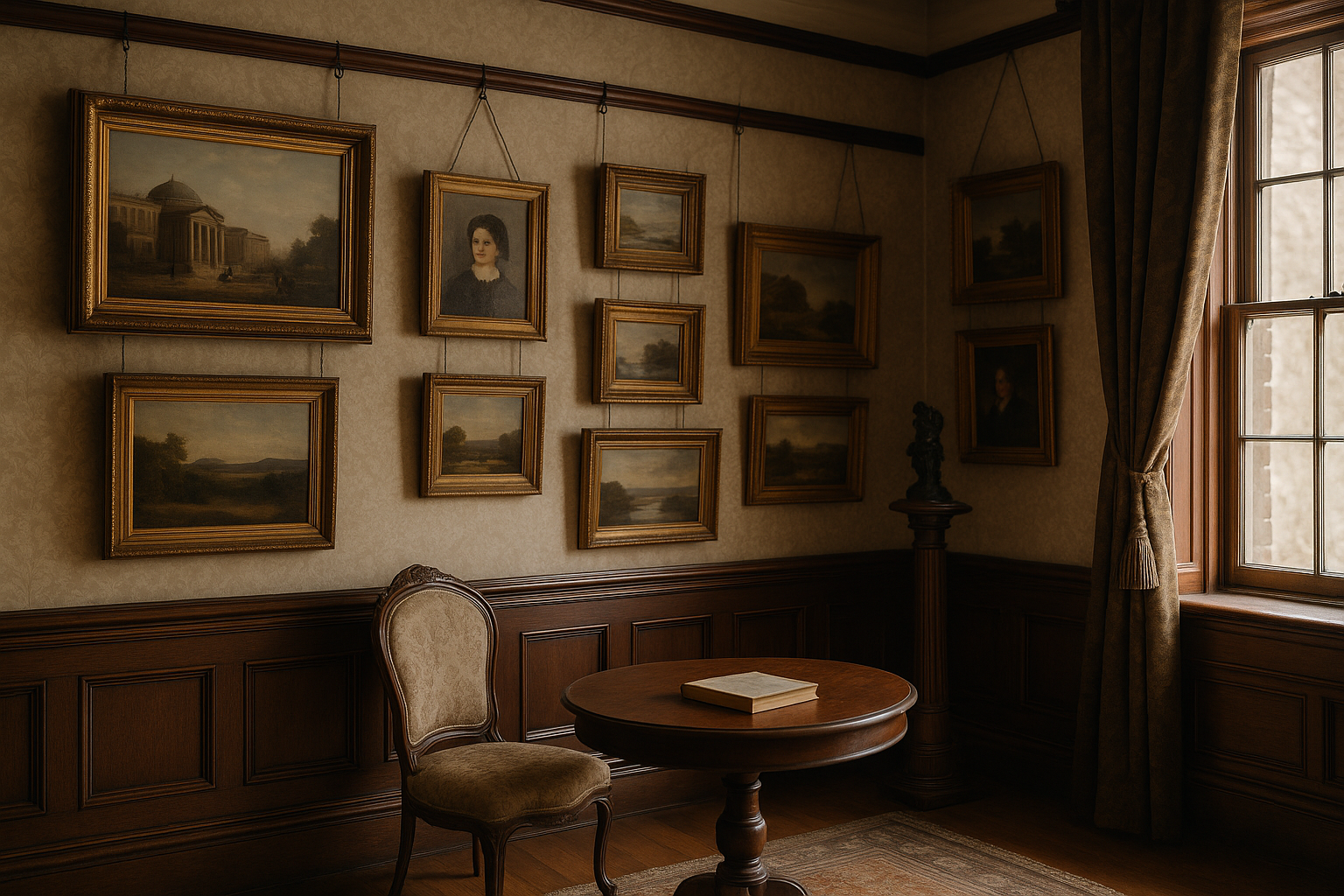
This is not just a modern styling trick. Victorian interiors were designed with pictures in mind. Walls were often covered from the picture rail down to the chair rail or baseboard with framed paintings, engravings, and photographs. A picture rail, which you may find running around the upper wall of your own house, was installed specifically so that artwork could be hung without driving nails into plaster. The architecture of your home is, in a very literal way, asking for paintings.
There is also an elegant fit between the scale of Victorian rooms and the scale of Victorian art. Tall ceilings, deep colors, and ornate trim can overpower small, thin, mass-produced prints. A substantial oil painting in a gilded or carved frame, on the other hand, holds its own against the wallpaper and woodwork and adds the depth that the room is waiting for. If you are curious about how Victorian-era taste shaped the way people decorated, our glossary entry on historicism is a good place to start.
What to Look for in Victorian Art
If you have never bought original art before, the idea can feel intimidating. It doesn’t have to be. Victorian-era art covers a wide range of subjects, and most people find that one or two types speak to them immediately.
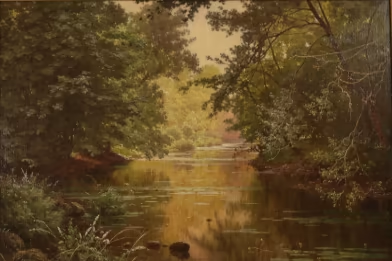
Landscapes. Nineteenth-century landscape painters were fascinated by light, weather, and the grandeur of nature. A glowing sunset over a valley or a quiet woodland scene adds a feeling of space to a room, which can be especially welcome in a house with small, enclosed rooms.
Pastoral and farm scenes. Rural life was a favorite subject, and these paintings tend to be warm, gentle, and full of narrative. They pair beautifully with wood furniture and earthy color palettes.
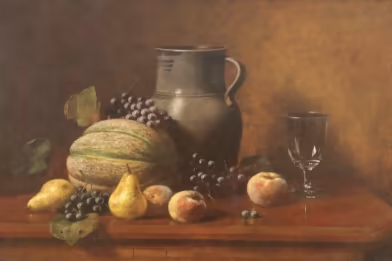
Still lifes. Flowers, fruit, books, and household objects were popular subjects. A still life is a natural choice for a dining room or library, where its subject matches the function of the space.
Water and marine scenes. Lakes, rivers, and coastlines bring movement and cool tones into a room dominated by deep reds and browns.
Portraits and figure studies. These can be among the most dramatic pieces in a historic home, giving a room a sense of presence and history.
When you are looking at a piece, pay attention to its condition, its frame, and its provenance, meaning what is known about where it came from. Original frames are a bonus, and a reputable gallery should be able to tell you what is known about the artist and the painting. Above all, choose something you actually want to live with. The best Victorian decor is the kind you look at every day and still enjoy.
How to Hang and Display Victorian Art
Once you have found a painting you love, a few display principles will help it look its best.
Consider salon-style hanging. The Victorians often hung pictures in groups, filling large wall areas with a mix of sizes. If you choose this approach, start with the largest piece and build outward, keeping the spacing between frames consistent. It works particularly well in parlors, libraries, and stairwells.
Or let one painting shine. A single large work over a mantel or sideboard can be just as effective, and it suits homeowners who prefer a calmer look. Hang it so the center of the painting sits at roughly eye level, or a little lower over furniture, so it feels connected to what is beneath it.
Use picture lights. A small brass picture light above a painting highlights color and brushwork and looks right at home in a Victorian room. Avoid placing paintings in direct sunlight, which can fade pigments and damage varnish over time.
Protect the art and the walls. If your house has a picture rail, use period-style hooks and cords or chains, which spread the weight and spare the plaster. Where there is no rail, use appropriate wall anchors for heavy frames, and keep paintings away from radiators, fireplaces, and damp exterior walls.
Let the frame do some of the work. A carved or gilded frame is part of the decor, and it can bridge the gap between a painting and its surroundings. A well-framed landscape can look as though it was part of the room from the day the house was built.
Where to Find Original Victorian Art: Bedford Fine Art Gallery
As much as we love Victorian furniture, lighting, clocks, and hardware, our number one passion is original fine art. It is the one decorative element that can be both historically appropriate and deeply personal, and it is the finishing touch that turns a well-furnished house into a home with a point of view.
That’s why we created our sister site, Bedford Fine Art Gallery. The gallery, curated by Joan and Jerry Hawk in Bedford, Pennsylvania, offers over 300 original Victorian paintings, with landscapes, pastoral scenes, still lifes, and more. You’ll find work by artists such as Arthur Hoeber, George Herbert McCord, René Charles Edmond His, and Albert Francis King, among many others.
Whether you are searching for a single painting to anchor your parlor or building a gallery wall for a historic staircase, we invite you to browse the collection at Bedford Fine Art Gallery. If you would prefer to talk it through, call us at (724) 459-0612, and we will be glad to help you find something that suits your home. If you are planning a trip, you can also learn more about visiting us in Bedford, Pennsylvania.
Where to Find the Right Help and Resources
Restoring and decorating a historic home requires specialized knowledge and craftsmanship, especially when it comes to restoring Victorian houses. If you’re looking for expert help with Victorian home restoration or sourcing authentic decor materials, we highly recommend visiting www.victorianrestoration.com.
They offer expert services, resources, and curated decor selections specifically designed for historic and Victorian homes. Whether you’re restoring a 19th-century parlor or simply updating your historic kitchen, they can help ensure every detail remains true to the period. And if you’re still in the house-hunting stage, our guide on what to look for when buying a historic home is a good place to begin. For more inspiration, see our top 5 decorating ideas for your Victorian home.
Frequently Asked Questions
What colors work best in a Victorian home?
Deep tones such as burgundy, forest green, navy, and gold are traditional, and they suit the wood trim and ornate details of the era. For a lighter look, muted shades like sage, mauve, and warm cream keep the Victorian feel while making the room brighter.
How do I mix modern furniture into a historic home?
Start with the architecture and let it set the tone. Choose a few modern pieces with simple lines and natural materials, and balance them with antiques or reproductions. Keeping the color palette consistent helps the old and new pieces look like they belong together.
What kind of art suits a Victorian interior?
Original oil paintings, particularly landscapes, pastoral scenes, and still lifes in carved or gilded frames, suit Victorian rooms best. Their scale and richness match the proportions and colors of the house.
Where can I buy original Victorian paintings?
Reputable galleries that specialize in 19th-century art are the best place to start. Bedford Fine Art Gallery offers more than 300 original Victorian paintings and is happy to help you find the right piece for your home.
Do I need to restore everything before decorating?
Not necessarily. Address structural, safety, and moisture issues first, then decorate room by room as you go. Many owners find that a few well-chosen pieces make a room feel finished while larger restoration work continues elsewhere.
Final Thoughts: Let Your Home’s History Shine
When decorating a historic or Victorian home, the key is balance. Respect the past while creating a space that suits your modern lifestyle. Choose decor elements that echo your home’s original spirit and craftsmanship, while introducing touches of comfort and personality.
Begin with the bones of the house: color, architecture, and lighting. Add furniture and textiles for warmth and depth. Then finish with original art, the layer that gives each room its personality and connects your home to the era that built it. By embracing your home’s unique story and investing in thoughtful decor choices, you’ll create a space that feels timeless, inviting, and entirely your own.
Looking to get started on your Victorian home makeover? Visit www.victorianrestoration.com for restoration ideas and expert advice, and explore the original paintings at Bedford Fine Art Gallery to bring your rooms to life.